Plan Next Season’s Powersports Repairs: Build a Parts List That Saves Guesswork
December 2026 · Next-season planning
The right knowledge.
The right next step.
FUNSPORTS GARAGE
BY FAMILY FUNSPORTS
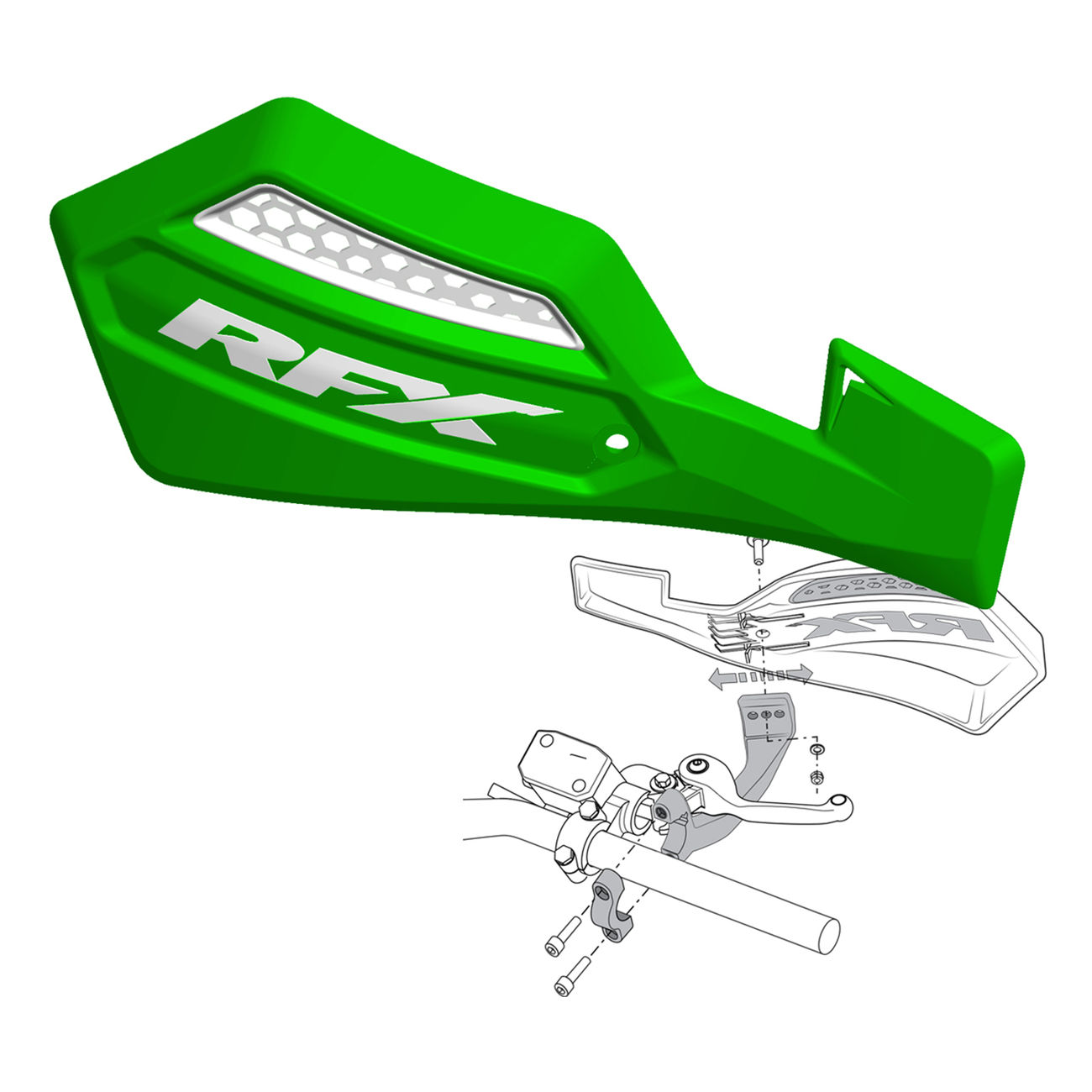
Separate your next-season plan into safety concerns, diagnosed repairs and optional upgrades. Order against verified specifications, and put uncertain symptoms into a service request before they become a cart full of guesses.
Make one record for each vehicle
List the year, make, model, identification details and modifications. Add the last service date, current concerns and the conditions under which each concern occurs. Keep photographs of labels and original parts with the record.
For a household with an ATV, a scooter and a go-kart, separate lists prevent similar-looking parts from being ordered for the wrong machine. Include the intended vehicle next to every saved product link.
Use three priority groups
- Safety and control: unresolved braking, steering, throttle, tire or structural concerns. Arrange assessment before riding.
- Reliability: starting, charging, leaks or running problems that need a confirmed diagnosis.
- Optional changes: comfort, appearance or accessories after compatibility is established.
Turn a wish list into an order list
For each confirmed repair, record the part number, required quantity and what the listing includes. Check whether a kit replaces several separate items already on the list. Keep uncertain alternatives out of the final order until the repair requirements are clear.
| Your planning field | Example of useful information |
|---|---|
| Problem | A precise symptom and when it happens. |
| Confirmed part | The complete number and verified dimensions or application. |
| Quantity | The number needed for this vehicle, including paired items where specified. |
| Installation | Who will fit it and which model-specific instructions apply. |
| Delivery | Home shipping or showroom pickup, with timing confirmed. |
When should I request service?
Before buying speculative replacement parts. Share the vehicle information and symptoms through service intake, then confirm the next steps with the Garage. Submitting an intake helps organize the request; it does not by itself promise a repair completion date.
Keep the plan current
Mark each repair completed, keep the relevant part numbers and record any remaining issues. When you return to riding, use the manufacturer’s inspection instructions instead of assuming winter work makes every system ready.
For confirmed purchases, browse Parts & Tools or the Chinese Parts Catalog. A clear list makes the conversation—and the checkout—simpler.
Powersports Gifts Riders Can Actually Use: A Fit-First Shopping Guide
November 2026 · Holiday buying guide
The right knowledge.
The right next step.
FUNSPORTS GARAGE
BY FAMILY FUNSPORTS

The best powersports gift solves a need the rider already has—and fits the rider or vehicle. Ask for an exact wish-list item before buying a helmet, sized protective gear or a model-specific part.
Choose your gift-shopping lane
| Gift type | Confirm before buying |
|---|---|
| Helmet or goggles | Exact fit, model, compatible eye protection and intended use. |
| Gloves, boots or jacket | That manufacturer’s size chart, rider measurements and preferred fit. |
| Vehicle part | Year, make, model, modifications and verified part number. |
| Riding accessory | Its purpose, dimensions, attachment method and compatibility. |
Do not buy protective equipment by surprise size
A clothing size does not establish helmet fit, and the rider’s current boot size does not automatically transfer to every brand. A better surprise is an agreed item in a confirmed size than an expensive product that cannot be used. Review return conditions before purchase, especially if the recipient will not open the gift immediately.
Ask one useful question
“What is one thing you need before your next ride?” often produces a more actionable answer than “What do you want?” Ask the rider to send the exact listing and size, or a photo of the worn part and its identifying number. If the answer is a mechanical symptom rather than a known part, discuss service before buying a replacement.
Plan pickup and delivery realistically
Online availability does not mean the item is sitting in the Greenwood showroom. Supplier-shipped orders and showroom pickup orders can follow different routes. Wait for a ready-for-pickup confirmation before visiting, and ask about timing for a date-sensitive gift.
This guide does not announce a holiday sale or guarantee a Christmas delivery cutoff. Check the live product price, checkout options and current timing when ordering.
Build a small, useful shortlist
Start with accessories, riding gear or helmets. Save two or three exact listings and confirm fit before choosing. For a replacement component, use the Chinese Parts Catalog or Parts & Tools instead of shopping by appearance.
Buying for a younger rider also means confirming the vehicle’s age and use requirements with the manufacturer. An accessory or protective item does not make an otherwise unsuitable vehicle appropriate.
Winter Storage for ATVs, Dirt Bikes and Scooters: Build Your Plan Before Parking
October 2026 · Indiana storage season
The right knowledge.
The right next step.
FUNSPORTS GARAGE
BY FAMILY FUNSPORTS

A useful winter-storage plan starts with your vehicle’s manual, a list of unresolved repairs and the right battery-care instructions. Do the planning before the machine is parked somewhere difficult to access.
Make four decisions before storage
- Where will it stay? Choose a suitable location and follow storage requirements for the vehicle, fuel and battery.
- What needs attention now? Record leaks, starting problems, damaged controls, worn tires and other concerns.
- What does the manual require? Use its fuel, lubrication, cooling-system and storage instructions.
- How will you restart? Keep a dated record of completed work and anything still outstanding.
Do not use one fuel procedure for every machine
Carbureted and fuel-injected vehicles can have different requirements, and storage recommendations vary by manufacturer. Follow the model-specific instructions rather than assuming every tank should be drained or every engine should be run periodically. Never operate an engine in an enclosed space.
Give the battery its own checklist
Yuasa’s storage guidance recommends charging its batteries before storage and following a maintenance schedule suited to the battery type. Check the instructions for your actual battery and charger. A lithium setup and a conventional lead-acid setup should not be treated as interchangeable.
Use downtime to organize repairs
Photograph the vehicle identification label and any part you know needs replacement. Record dimensions and part numbers before putting the machine away. Separate diagnosed needs from guesses: “brake pad part number confirmed” is an orderable task; “brakes feel wrong” is a service concern.
If you need help in Greenwood, start a service intake with the vehicle details and storage date you are planning around. Contact us about scheduling rather than assuming a drop-off automatically includes immediate work or indoor storage.
What should I buy now?
Buy items with a confirmed specification and purpose. Check a maintainer’s battery compatibility, a cover’s fit and the precise application for replacement parts. Our Chinese Parts Catalog and Parts & Tools can help you build a focused list.
Leave a spring note
Write down what was disconnected, treated, removed or left unfinished. Store that record with the manual. Your spring inspection can then start with facts instead of trying to remember what happened months earlier.
Manufacturer reference: Yuasa off-season battery storage.
Fall Riding Gear: How to Choose Gloves, Layers and Eye Protection
September 2026 · Fall riding gear
The right knowledge.
The right next step.
FUNSPORTS GARAGE
BY FAMILY FUNSPORTS

Build a fall riding kit around protection, fit and control—not warmth alone. Choose layers that work with your helmet, gloves and protective equipment without restricting movement.
Start with your actual ride
Write down the vehicle, expected riding environment and the weather range you plan to ride in. A short off-road session and a paved commute do not call for an identical kit. Read each product’s intended application instead of assuming every item labeled “riding gear” provides the same protection or weather performance.
Three fit checks before you order
- Gloves: compare the manufacturer’s measurement chart and check finger length, closure and dexterity. Extra bulk should not interfere with the controls.
- Layers: allow for the protective equipment worn underneath or over the garment. Check movement in the riding position, not just while standing.
- Eye protection: confirm compatibility with the exact helmet, including room around the eye opening and strap placement.
Read the feature claims precisely
Water-resistant and waterproof are not interchangeable descriptions. Insulation, ventilation and protective features should come from the individual listing and manufacturer information. If a product includes electrical heating, confirm the power requirements and vehicle compatibility rather than treating it as a normal pair of gloves.
Keep the essentials in the plan
CPSC recommends helmets and protective gear for ATV riders, including eye protection, boots, gloves, long pants and long sleeves. Gear does not make every weather condition or riding location suitable. Choose equipment and riding plans appropriate to the vehicle, rider and conditions.
What should I replace first?
Prioritize equipment that is damaged, poorly fitting or unsuitable for its intended use. Make a short list: one confirmed problem, the measurement or feature required to solve it, and compatible options. That makes a more useful purchase than adding unrelated accessories to reach a shipping threshold.
Shopping for someone else?
Ask for the exact model and size they already know fits, or arrange a fit check before purchase. Gloves and jackets use model-specific sizing, while helmets need their own fitting process. Start with our riding gear selection and the helmet catalog.
Safety reference: CPSC ATV safety guidance.
Go-Kart Axle Bearings: Match the Bore, Housing and Mount Before You Buy
August 2026 · Precise parts matching
The right knowledge.
The right next step.
FUNSPORTS GARAGE
BY FAMILY FUNSPORTS

A replacement axle bearing must match the shaft and the assembly that holds it. Start with the bearing number, bore, outside dimensions and mounting arrangement. “Go-kart bearing” is too broad to identify the right part.
The measurements that make a search useful
Write down the markings on the bearing and housing before disassembly makes their original orientation harder to remember. Measure carefully and distinguish inches from millimeters. Close-looking measurements are not interchangeable specifications.
| Detail | Why it matters when shopping |
|---|---|
| Inside diameter or bore | Must correspond to the correct shaft specification. |
| Outside diameter and width | Must work with the intended housing or carrier. |
| Housing and mount | Bolt spacing, shape and mounting arrangement need to match. |
| Retention details | Collars, set screws, clips and related parts vary by assembly. |
| Markings | The complete code can narrow the search more reliably than a photograph. |
Bearing only or a complete assembly?
Read the listing carefully. A bearing, a housing and a complete mounted assembly are different purchases. Check what is included, what will be reused and whether the existing housing or shaft has also been damaged. Replacing only the bearing will not address every source of movement or noise.
Do not diagnose from one symptom alone
Wheel or axle looseness, roughness and unusual noise deserve inspection. They can involve more than one component. Stop using the vehicle if the wheel or axle assembly appears unsafe, and have the cause confirmed before ordering parts.
A useful example from the catalog
Our Chinese Parts Catalog includes listings labeled 1.0-inch and 1.25-inch axle bearings. The names make the bore distinction clear, but they do not establish compatibility with every kart using that nominal shaft size. Compare the remaining dimensions and mounting details too.
What if I cannot read the number?
Use clear photos and careful measurements to narrow the possibilities, then ask before buying. Include the kart model and whether its axle has been replaced or modified. You can search the full Chinese Parts Catalog or request service if the assembly needs diagnosis or installation.
Keep the original parts until the replacement has been checked against the manufacturer’s requirements. This guide is for matching and shopping, not a substitute for the correct installation procedure.
Dirt Bike and Scooter Tire Shopping: Read the Size Before Choosing the Tread
July 2026 · Tires & terrain
The right knowledge.
The right next step.
FUNSPORTS GARAGE
BY FAMILY FUNSPORTS

Copy the complete tire size and application information before choosing a tread pattern. A similar wheel diameter or aggressive-looking tread does not establish that a tire is suitable for your vehicle.
Start with the manufacturer’s specification
Photograph the current sidewall and check the owner’s manual or original specification. The installed tire may already be an incorrect replacement, so use it as evidence rather than the only authority. Note whether you are replacing a front or rear tire, and whether the wheel uses a tube.
- Complete size marking and required rim compatibility.
- Front or rear application where specified.
- Tube-type or tubeless requirements for the tire and wheel combination.
- Load and speed requirements for the vehicle.
- Intended road or off-road use and applicable tire markings.
Choose for the riding you actually do
A scooter used on pavement and a dirt bike used on loose ground have different needs. Start with compatible choices, then compare the manufacturer’s intended terrain and application. A tread description does not make a tire street legal, and a tire choice does not make an off-road vehicle legal for public-road use.
Inspect the wheel at the same time
Look for visible damage and have the wheel assembly assessed if you notice vibration, looseness or unusual wear. The MSF inspection checklist includes tire condition, cold pressure and wheel condition. Follow your own vehicle’s pressure and inspection instructions rather than borrowing a number from another machine.
Plan the complete job
Confirm whether the order needs a compatible tube, valve-related parts or other service items. A listing for a tire may not include a tube or installation. Check the item description and arrange fitting if you do not have the tools and experience for the job.
Can I order by engine size?
No. Engine size does not identify tire fitment. For a useful search, use the exact tire size and then compare the application details on the product page. Keep your measurements and photos available if you need help.
Browse the Chinese Parts Catalog for listed tire sizes or search Parts & Tools for other applications. If the wheel needs diagnosis, begin with service intake so the purchase supports the repair.
Inspection reference: Motorcycle Safety Foundation T-CLOCS.
ATV and Dirt Bike Brake Parts: A Fitment Checklist Before Ordering
June 2026 · Braking confidence
The right knowledge.
The right next step.
FUNSPORTS GARAGE
BY FAMILY FUNSPORTS

Match the exact brake system and component dimensions before ordering. If braking is weak, inconsistent, leaking or mechanically damaged, stop riding and have the cause assessed rather than treating a new set of pads as a guaranteed fix.
Identify which part actually needs replacement
A brake complaint can involve more than the friction material. The useful first step is an accurate description: which brake is affected, what the control feels like, whether the problem changes as the vehicle warms, and what work was recently done. Do not make a test ride when stopping performance is uncertain.
Build a brake-parts match sheet
| Part | Details to compare |
|---|---|
| Pads or shoes | Exact part number, outline, dimensions, locating tabs and system compatibility. |
| Caliper | Mounting-hole spacing, bracket arrangement, piston configuration and connection details. |
| Rotor or drum | Mounting pattern, diameter and the manufacturer’s specified dimensions. |
| Cable or hose | Correct application, routing, length and end fittings. |
Use the vehicle’s parts reference where available. A similar-looking caliper or a broad “ATV brake” description is not enough to establish a match.
For Chinese vehicles, keep the old part for comparison
Photograph both sides, all stamped markings and the mounting position. Measure the actual component rather than estimating from the listing photograph. If the vehicle has aftermarket brakes or a replacement axle, tell us before selecting parts against the original model.
What should I order with the main part?
Ask whether the specified repair also requires hardware, seals or other components. Do not assume a listing includes every mounting item visible in an illustration. Read the contents description, and verify the correct fluid specification with the vehicle manufacturer if the repair involves hydraulics.
When service is the better purchase
If the symptom has not been diagnosed, a service request is more useful than a cart of possible fixes. Use Funsports Garage service intake and describe the concern. If the replacement is already identified, search our Chinese Parts Catalog or Parts & Tools with the exact number.
This guide helps organize a parts purchase; it does not provide a brake repair procedure. Installation, inspection and verification should follow the model-specific service instructions.
How to Choose a Powersports Helmet That Fits Before You Buy
May 2026 · Helmet fit
The right knowledge.
The right next step.
FUNSPORTS GARAGE
BY FAMILY FUNSPORTS

Choose a helmet by fit, intended riding use and the required safety standard before choosing a color. A familiar size letter is not enough: sizing and internal shape vary between models.
Measure, then use the exact model’s chart
NHTSA recommends measuring around the head with a cloth tape above the eyebrows and around the broadest area at the back. Compare that measurement with the manufacturer’s chart. The helmet should fit snugly and evenly without painful pressure points or excessive movement.
Record the measurement in the units used by the chart. If you sit between sizes, follow the manufacturer’s guidance and try the actual model when possible. Avoid buying a loose helmet to accommodate future growth.
Fit is more than circumference
Head shape matters. NHTSA distinguishes round, intermediate and long-oval shapes. A helmet can be the correct circumference but uncomfortable in one area. Do not modify the protective liner to solve a fit problem. Ask about the manufacturer’s approved fit adjustments instead.
Match the helmet to the ride
Consider the intended vehicle, riding environment and compatible eye protection. Check how goggles or a shield work with the helmet, and whether the closure is manageable with your riding gloves. The product shown here illustrates a helmet style; check each listing’s size, features and certification information separately.
What does the DOT marking mean?
NHTSA explains that DOT labeling represents the manufacturer’s certification to FMVSS No. 218; NHTSA does not individually approve helmets for sale. Check the complete labeling and choose equipment appropriate to your use.
Buying for an Indiana family?
Indiana DNR states that children under 18 must wear a qualifying helmet on or in covered off-road vehicles on public or private property. Its guidance includes ATVs, UTVs and dirt bikes, with an exception for golf carts. Read the DNR guidance for the scope and details; a helmet is only one part of safe vehicle selection, training and supervision.
Make the purchase easier
Bring the rider’s measurement, intended use and current helmet model to the conversation. Browse our helmet selection, then check the individual listing before ordering. If it is a gift, confirm the fit and return conditions before purchase rather than guessing from clothing size.
Sources: NHTSA helmet selection and Indiana DNR child helmet guidance.
Buying a Dirt Bike or ATV Chain: Size, Length and Sprocket Checks
April 2026 · Drivetrain essentials
The right knowledge.
The right next step.
FUNSPORTS GARAGE
BY FAMILY FUNSPORTS

Match the specified chain size and required length to the vehicle and sprockets. A chain is not interchangeable simply because it wraps around the gears or looks close to the old one.
The information to collect
Find the chain specification in the owner’s or service manual and look for markings on the installed chain. Record the link count and the front and rear sprocket tooth counts. If the vehicle has been modified, note the changes rather than assuming the original factory length still applies.
- Chain size: compare the complete designation, not just one number.
- Length: confirm the required link count and adjustment range.
- Chain construction: confirm clearance and suitability for the application.
- Connecting link: use the correct manufacturer-specified link for that exact chain series.
- Sprockets: verify mounting details, size, tooth count and condition.
Inspect the system before buying one component
A worn drivetrain deserves a system-level assessment. D.I.D identifies rust, stiffness and missing seals as warning signs, and recommends replacing chain and sprockets together when wear requires replacement. Follow the manufacturer’s inspection limits rather than a universal mileage promise.
Changing sprocket sizes also changes the setup. If the goal is to restore normal operation, record the existing configuration and confirm the intended specification before ordering an alternative tooth count.
Maintenance products need to match the chain
D.I.D recommends cleaners and lubricants marked safe for sealed chains and advises against kerosene for its drive chains. Use the instructions for your chain’s manufacturer and construction. Do not treat a belt-drive maintenance routine as a chain routine, or vice versa.
Do I need to install it myself?
No. Installation may require appropriate tools, connecting-link procedures, alignment and the correct tension specification. If those details are uncertain, request service. Incorrect assembly can create a much larger problem than the original worn part.
Find the right listing
Our Chinese Parts Catalog includes chain listings with size and link-count information. Compare those details against your match sheet. For other brands and applications, search Parts & Tools. A product photograph illustrates that listing; it is not a promise that the part fits every ATV or dirt bike.
Manufacturer reference: D.I.D chain care and replacement guidance.
Spring Powersports Service in Greenwood: What to Check Before the First Ride
March 2026 · Spring service
The right knowledge.
The right next step.
FUNSPORTS GARAGE
BY FAMILY FUNSPORTS
Before the first spring ride, check the systems that control starting, stopping and steering. If a vehicle has an unresolved brake, throttle, tire or steering problem, arrange service before riding it.
Start with the vehicle, not a shopping list
Write down when the vehicle last ran normally, how it was stored and what has changed since then. “Will not start” is less useful than “starter turns, but the engine does not fire after four months parked.” Include any recent battery replacement, fuel-system work, electrical accessory or repair attempt.
The Motorcycle Safety Foundation’s motorcycle inspection framework groups checks around tires and wheels, controls, lights and electrics, fluids, chassis and stands. Use the manufacturer’s manual to adapt your inspection to an ATV, scooter, dirt bike or go-kart; different vehicles do not share every component or procedure.
A practical spring triage list
- Stop and control: brake function, throttle operation, steering and visible damage.
- Roll: tire condition and manufacturer-specified pressure, wheels and obvious looseness.
- Start and run: battery condition, leaks, fuel history and unusual noises.
- See and be seen: required lights and electrical equipment for the vehicle’s intended use.
- Ride prepared: a properly fitted helmet and appropriate protective gear.
This is an intake checklist, not a substitute for the model’s service procedure or a professional inspection. Avoid riding a machine to “see if it clears up” when it has a control or braking concern.
Make your service request easier to act on
Submit one clear description of each symptom, its timing and whether it is intermittent. Tell us if the vehicle is modified or partially disassembled, and whether you already purchased parts. Ask about drop-off arrangements before transporting it.
Should I buy parts before diagnosis?
Only when the required part and its compatibility are established. Buying a carburetor, starter or ignition component first can turn one uncertain repair into several. If you already know the replacement specification, browse Parts & Tools or the Chinese Parts Catalog. Otherwise, start with service.
Funsports Garage serves customers through the Family Funsports showroom in Greenwood, Indiana. Start the intake online so the vehicle details and concerns are organized before your visit.
Inspection reference: MSF T-CLOCS checklist.